What’s Degenerative Disc Disease?
Plus: How To Know You Have it, and What PT Can Do To Help
There’s no denying that your body changes as you get older. While some of these changes are visible–such as streaks of gray in your hair–others can happen behind the scenes. One example of the latter is the degenerative changes in the spine.
We’ve come to call those changes “degenerative disc disease” (DDD), but it’s important to realize that DDD isn’t really a disease. It’s a normal part of the aging process, and experiencing this degeneration doesn’t necessarily mean you’ll experience pain or discomfort.
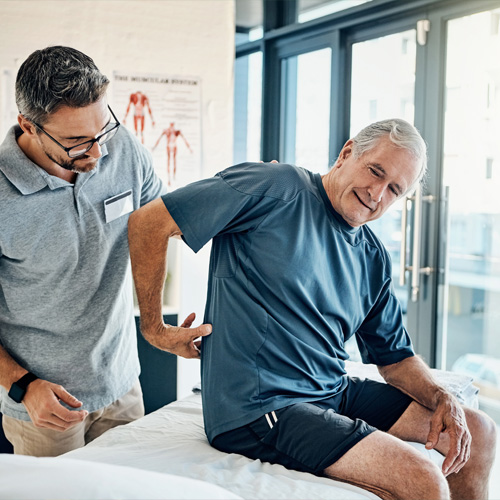
However, If you do start to experience symptoms, Advance Physical & Aquatic Therapy is here to help. For most people, physical therapy is one of the most effective ways of managing DDD–better even than drugs or surgery. With some targeted strengthening exercises, hands-on pain management approaches, and simple postural corrections, you’ll be on your way to living a pain-free life.
Call us today to learn more.
An Overview of Degenerative Disc Disease
Nestled between the vertebrae of your spine are your spinal discs. These flexible discs cushion your spinal bones, preventing them from rubbing against each other and acting as shock absorbers for your spine.
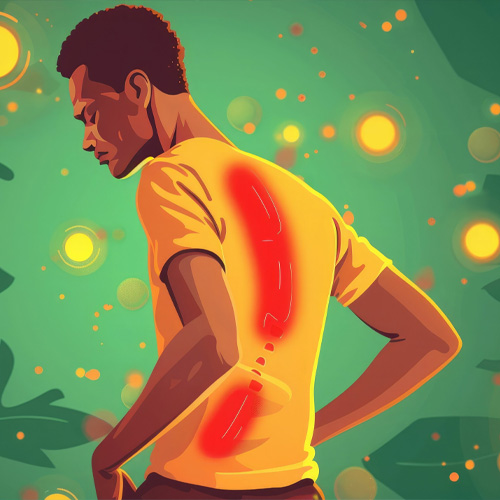
As you get older, these cushions start to dry out. When you’re young, the discs are like grapes, but as we get older, they become more like raisins. In some cases, the degeneration itself might begin to cause pain, typically in either your lower back or neck. This pain is typically chronic (meaning it lasts for several months) and may tend to worsen when…
- You’ve been sitting for an extended period
- You rotate or bend your spine
- You lift an object
Degenerative disc disease can also increase the likelihood that you’ll suffer a herniated disc, which will also cause pain. Do keep in mind that a herniated disc is a separate condition from DDD, however. It occurs when the disc in your spine bulges or ruptures and irritates the nearby nerves.
The good news is that you can slow this natural aging process by staying active, keeping your core muscles strong, and practicing proper posture–all things our PTs can help you achieve!
What Can Our Physical Therapists Do to Manage DDD?
The good news about DDD is that, except for extreme cases, you will not need to undergo any surgeries or other major medical procedures to manage your condition. Physical therapy is a frontline treatment for DDD, helping to minimize the impact of the degenerative changes while offering drug-free pain management.
Here are some of the interventions we use to manage degenerative disc disease:
- Manual Therapy: Manual therapy is a set of hands-on treatments designed to reduce pain, improve mobility, and promote blood circulation. For DDD, we might utilize spinal manipulations, which involve thrusting your spine through its current range of motion, helping with immediate pain relief.
- Mobility Exercises: Improving your overall mobility through stretches and other exercises also helps reduce back pain from DDD.
- Core Strengthening: A strong core is one of the best ways to manage DDD! Your core muscles help support and stabilize your spine, helping to reduce pressure placed on your degenerative discs. We’ll set you up with a progressive program that gradually builds in intensity as you improve.
- General Exercise: A low-impact aerobic exercise program is crucial in managing DDD. Our therapists will work with you to find the exercises (such as walking or swimming) that best suit your needs and interests. We can show you how to gradually incorporate exercise so it becomes a regular habit.
- Postural Education: Sometimes, adjusting how you sit, stand, bend over, or lift heavy objects can help relieve pain from DDD. We’ll provide personalized information that speaks to your unique needs.
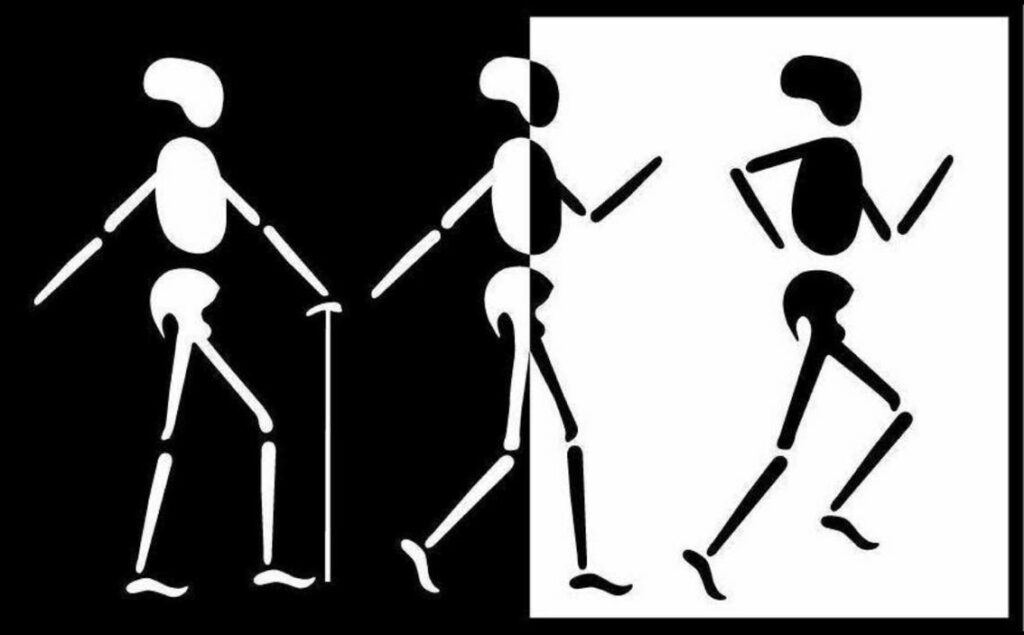
Don’t Let Degenerative Disc Disease Hold You Back!
Just because degenerative disc disease is a natural part of aging doesn’t mean you have to live with chronic or persistent back pain. Studies show that staying active will help reduce pain in the long run–it can be a little difficult to start.
Fortunately, the Advance Physical & Aquatic Therapy physical therapists have your back–literally! With expert, personalized guidance, you’ll be back to your favorite activities in no time!
Say Goodbye to Pain – Get Started with PT Now!
Ready to feel your best again? Come back to Advance Physical & Aquatic Therapy and let us help you achieve your wellness goals—book your appointment today!
Follow Us on Instagram!
Stay connected with Advance Physical & Aquatic Therapy! Follow us on Instagram for wellness tips, exercise ideas, and a behind-the-scenes look at our team in action. Don’t miss out! ✨


Seasonal Recipe
Irish Potato Bites
Ingredients
- 20 red potatoes, small (golf ball size)
- 1/2 cup corned beef
- 1/4 cup cheddar cheese, shredded
- 1 tbsp butter, melted
- 1/8 tsp Salt
- sour cream, (optional)
Directions
Fill a large pot with water and bring it to a boil. Add potatoes and boil until they are fork tender. Preheat oven to 400°F. Once potatoes are cooked and have cooled cut each one in half and cut a small slice off of the rounded end so the potato can sit up. Scoop out the inside of each potato half saving the potato insides in a bowl. Add cheese, corned beef, butter to the bowl with the saved potato insides. Salt mixture to taste. Also sprinkle some salt over the potato halves. Scoop mixture into potato halves and then place them on a baking sheet. Place baking sheet in oven for 10 minutes. Remove from oven and serve with a dollop of sour cream.
Featured Video: What is DDD (Degenerative Disc Disease)?
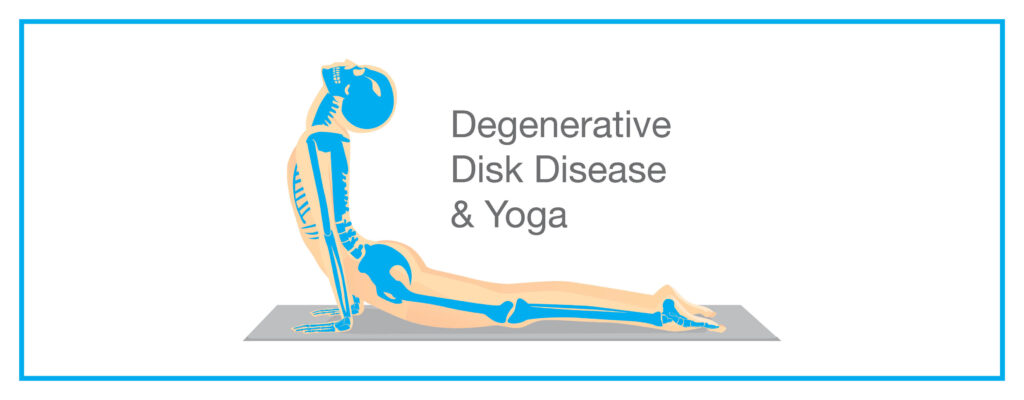

Conquer Your Back Pain and Enjoy a Pain-Free Spring
As the world awakens this spring, don’t let back pain keep you from enjoying the season’s beauty. At Advance Physical & Aquatic Therapy, we’ll help you find the spirit of spring by resolving your back pain once and for all!
Our expert guidance will help you:
- Alleviate your pain and prevent future discomfort.
- Regain your mobility and strength so you can enjoy the warmer weather.
- Spend time with your friends and family without back pain standing in your way!
Our treatments are tailored to your unique needs to help you enjoy spring with confidence and vitality—reach out today and let us help you bloom pain-free!
Join us for Gentle Yoga at Advance NOW!

Email brianna@advanceaquaticpt.com for more info & to let us know you are interested!
Wednesdays at 3:30pm in the Broomall clinic (registration is required)
Thursdays at 7:15pm in Springfield clinic (registration is required)
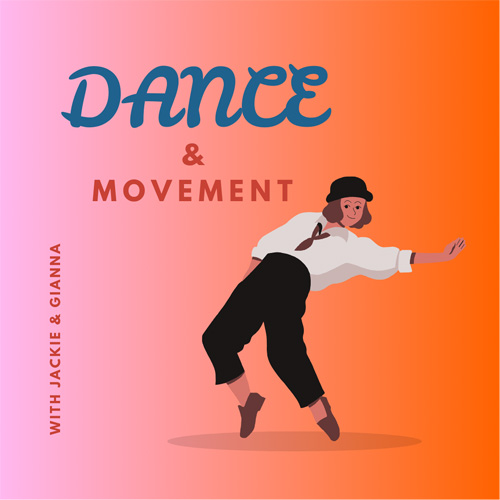
Dance & Movement Class
Dance & Movement Class on Mondays at 7:15pm in Springfield clinic (registration is required)
Email brianna@advanceaquaticpt.com for more info & to let us know you are interested!
Exercise of the Month
Standing Lumbar Self Traction
3 sets, 10 reps, hold.
Start in a standing position. Find a table about waist height. Place your forearms on the table so that your wrists are facing away from you. Lean forward and make sure your weight is being held by your arms. Ease your lower back and slightly bend your knees. You should feel little to no weight in your legs.



We Want To Hear Your Success Story!
Has Advance Advance Physical & Aquatic Therapy helped you live a better life? Let others know how much we can help them too! Click the button to leave us a Google review—your feedback helps others find the care they need!
Patient Success
“Everyone at Advance was helpful, and they provided me with exercises to help ease my pain so I can get through my day!”
-Donna G.

How to Grocery Shop for Healthy Options
When it comes to grocery shopping, there are many options. If you find your weekly trip to the grocery store overwhelming, you’ve come to the right place.
The best way to start your grocery shopping is by thinking about your preferences and needs. For example, do you want to lose weight? How many people are you feeding? Once you’ve determined these factors, make a list of everything you think you may need.
Keep in mind that a diet high in protein and low in carbohydrates has been proven to be the most effective for weight loss. Protein is a building block of muscle, and it stimulates the hormone that helps you feel full. Protein also helps you maintain muscle mass during weight loss, which can help you maintain your metabolism.
The most important thing to remember is that you should be eating a balanced diet. This means that you should avoid overeating any one type of food.
For example, if you are overeating sugar or processed food, it might be time to change your diet. When shopping in the aisles, try to avoid ultra-processed foods, foods with high sugar content, or excessive amounts of red meat.
Here is an example of what a healthy grocery list may look like:
- Fruits: apples, blueberries, clementines, grapefruits, and avocados
- Vegetables: broccoli, asparagus, onions, spinach, peppers, zucchini, sweet potatoes, baby red potatoes, and butternut squash
- Beans and grains: chickpeas, brown rice, black beans, and quinoa
- Proteins: eggs, salmon, and skin-on chicken breast
- Nuts and seeds: roasted almonds, pumpkin seeds, and natural peanut butter
- Dairy and nondairy substitutes: oat milk, coconut milk, feta cheese, and full fat Greek yogurt


Service Spotlight: Electrical Stimulation
What is it?
While it may sound a bit intimidating, electrical stimulation really isn’t at all! When used correctly and provided under the guidance of a licensed and skilled physical therapist, electrical stimulation is a safe and efficacious modality that can be used to treat a variety of conditions.
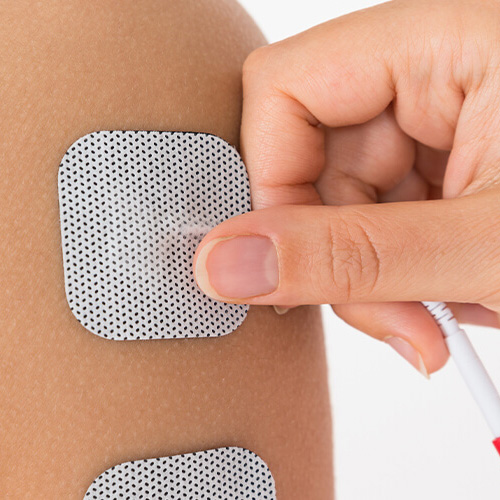
While individual units and modes of delivery can vary, the standard electrical stimulation device utilizes self-adhesive electrodes placed around the target treatment area on the body. These electrodes are connected via wire leads to the unit, through which electricity can pass and ultimately interact with sensory and/or motor nerves (depending on the type of current utilized).
What is electrical stimulation used for in physical therapy?
There are several electrical stimulation modes that use different types of currents intended to stimulate different nerves in a variety of specific ways. These include modes such as transcutaneous electrical nerve stimulation (TENS), interferential, pre-modulated, Russian, and symmetrical or asymmetrical bi-phasic. Don’t let the words confuse you, though. Your physical therapist will decide the right one to meet your unique needs.
Advance Physical & Aquatic Therapy frequently utilizes electrical stimulation in order to provide a variety of beneficial healing effects, including:
- Reduce, eliminate, and/or control pain (both acute and chronic)
- Increase local circulation
- Decrease swelling
- Improve range of motion
- Reduce muscle spasm
- Provide biofeedback (aka improve body awareness)
- Improve motor coordination
- Provide neuromuscular re-education
- Prevent or reverse muscle atrophy (especially after prolonged immobilization, such as a limb being casted as a fracture heals)
Pain control and reduction is probably the most frequent indication of electrical stimulation usage. Specifically, this modality can trigger an innate and completely natural analgesic effect by stimulating specific sensory nerve fibers (including A-beta, A-delta, and C fibers) which both disrupt or decrease the sensation of pain and also elicit the release of certain neurotransmitters which can prolong the pain-relieving effects.
While it’s not for everyone (including people with deep vein thrombosis, people who are pregnant, people with pacemakers, and people with impaired cognition) or safe to use on every body area (including on the anterior neck, eyes, or over areas with damaged skin or decreased sensation), electrical stimulation can be used for a wide variety of conditions as indicated, including acute sports-related or auto accident-related injuries, repetitive stress injuries, muscle strains, ligament sprains, and even neurological conditions including stroke.
Does electrical muscle stimulation hurt?
No!
The intensity of the electrical muscle stimulation or sensory nerve stimulation is easily modifiable and ultimately will only be as much as you, the patient, can tolerate. Typically, electrical stimulation will feel tingly or prickly (some patients describe it as a comforting “pins and needles” sensation). Sometimes, as in the case when used for muscle strengthening, the intensity level can be high and somewhat uncomfortable, but it should never cause pain.
What should I expect during an electrical stimulation session?
Our patients’ comfort, safety, and dignity are the number one priority. For this reason, we’ll ask you to come in comfortable loose-fitting clothes and sturdy shoes when you come to see us for an appointment.
At your initial consultation, expect to be taken through a thorough patient history questionnaire (we’ll ask questions about your current, past, and family medical history) and physical examination. Your Broomall or Springfield physical therapist will be able to diagnose your condition and then devise an appropriate treatment plan to meet your unique needs.
If your physical therapist decides that electrical stimulation is an appropriate part of your plan of care, he or she will first educate you about the specific modality. You’ll be asked to sit or lie in a comfortable position, your skin in the target treatment area will be cleaned and prepped, and your PT will guide you step-by-step through the entire treatment.
Expect great results!
Are you interested in trying electrical stimulation? Wondering if it can help your pain or dysfunction? Our physical therapy services, including electrical stimulation and other modalities, are evidenced-based, state-of-the-art, effective, and have minimal to no risk of side effects. Come experience the difference and contact Advance Physical & Aquatic Therapy today to schedule an initial appointment.
Thank you for subscribing to
Advance Physical & Aquatic Therapy
Refer a Friend

Our purpose at Advance Physical & Aquatic Therapy is to leave a greater impact on the community around us. In order to achieve our goal we want to change as many lives as possible as we become a beacon of positivity in our community.
Meet Our Team

Ryan J. Mullin
PTA Owner/Physical Therapist

Joshua T. Green
PT, MPT Owner/Physical Therapist

Kathleen Euldji
PT, DPT Physical Therapist

Jen Rosenzweig
PTA Physical Therapist

Christopher Johnson
PT, DPT Physical Therapist

Cole Racich
PT, DPT, OCS Physical Therapist, per diem

Maureen Donohoe
PT, DPT, PCS Physical Therapist, per diem

Helena Esmonde
PT, DPT Physical/Vestibular Therapist
Julie Jorgensen
Office Manager

Brianna Whitton
Patient Care Coordinator & Marketing Specialist

Jackleyn Hughes
Physical Therapy Aide

Madison Vinrovski
Physical Therapy Aide