Were you recently in a car accident and suffered an injury that has impacted your balance, coordination, and stability? It’s more common than you might expect! However, improving stability after a motor vehicle collision doesn’t have to be a challenge, and Advance Physical & Aquatic Therapy is here to help.
A serious car accident can cause various injuries: whiplash, bone fractures, back and head injuries, and concussions. Many of these can directly or indirectly affect your balance and stability.
Our team of musculoskeletal experts has experience dealing with the aftermath of a motor vehicle accident. We can help you understand your injuries and guide you through the rehabilitation process. Whether you damaged your vestibular system in the accident or simply need to rebuild strength and coordination in an injured knee or hip joint, our team can help.
Want to learn more about physical therapy’s role in improving stability after a motor vehicle collision? Keep reading–or call our Springfield, PA clinic to set up an initial consultation!
Which Common Motor Vehicle Collision Injuries Cause Stability Issues?
One of the difficulties with a motor vehicle accident is its effect can vary dramatically. You might walk away with a few sore muscles, or you may suffer serious injuries that take months to rehabilitate fully. That said, the type of collision (frontal, rear-end, side) can impact the injury pattern you experience, as can your location in the vehicle and whether or not you were wearing a seat belt.
If you were driving during the collision, you’d most likely suffer injuries to your head, neck, chest, and abdominal area. These head and neck injuries, including whiplash and concussions, can impact your balance through your vestibular system, a structure in your inner ear and cerebellum that controls your body’s balance and stability.
If you weren’t wearing a seatbelt properly, you have a higher risk of suffering an injury to your lower extremities or pelvis, such as severe fractures. The rehabilitation period for these types of injuries is extensive, and you will need to work to restore your balance and stability alongside your strength and range of motion.
Physical Therapy’s Role in Improving Stability After a Motor Vehicle Collision
Physical therapy is crucial to successful rehabilitation after a motor vehicle accident, and restoring your balance and stability is part of that process. Our therapists will work closely with you to develop a customized treatment plan that addresses your unique needs. Depending on the source of your balance issues, that plan might include the following:
Vestibular Treatments: Did you sustain a head injury that’s causing a spinning sensation (known as vertigo)? Our therapists can show you specialized exercises to address those symptoms directly, such as gaze stabilization exercises, relaxation techniques, and more.
Some people who suffer a head injury also develop BPPV (benign positional paroxysmal vertigo), which causes the buildup of tiny crystals in the inner ear, impacting balance. We’ll use specific maneuvers to dislodge those crystals and minimize symptoms.
Therapeutic Exercise: A customized therapeutic exercise program is crucial in helping you rebuild the strength and range of motion necessary to rehabilitate from major musculoskeletal injuries, including fractures. However, it can also help manage symptoms related to concussion or whiplash. Our physical therapists will let you know the exercises that will help you the most.
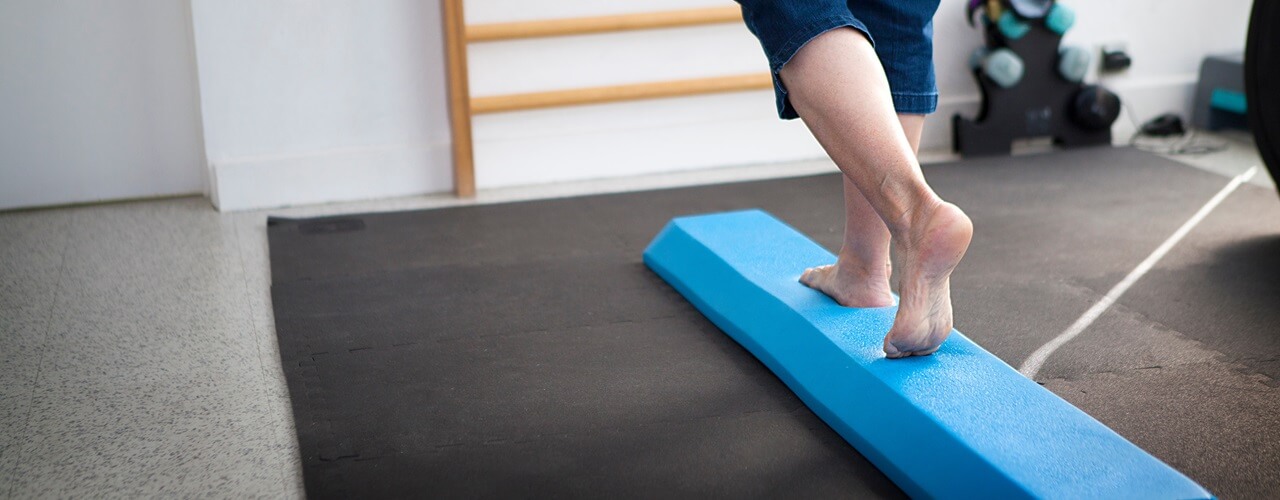
Balance and Gait Training: We’ll also work with you on tailored exercises to improve your balance, stability, and walking patterns. We’ll show you exercises that challenge these areas in a way that’s appropriate for your ability level, gradually increasing the intensity as you show improvement. We’ll also help you relearn day-to-day balance and walking skills, like going up and down stairs or walking across uneven surfaces.
What to Expect During Your Physical Therapy Appointments
Your initial appointment will include an in-depth evaluation to help our team fully understand your injuries, symptoms, and recovery goals. We’ll work closely with you and other members of your care team, if applicable, to get a complete health history.
In addition, our team will perform their own hands-on physical assessment to help us identify areas of strength and weakness so we clearly understand what you need to work on. We’ll conduct screens to evaluate your balance, gait, overall strength and stability, range of motion, and more.
Using this information, our therapists will develop a customized treatment program. In addition to helping you improve stability after a motor vehicle collision, our team can…
- Provide drug-free pain relief.
- Give you the tools to restore strength, mobility, and functionality.
- Help you understand your injuries and impairments.
During your sessions, we’ll generally begin with acute pain management using techniques such as manual therapy. These techniques also help improve mobility and promote blood circulation, facilitating healing.
Then, we’ll guide you through your prescribed exercises, ensuring you perform them safely. We’ll monitor your progress so you can easily see how you’ve improved, and we can offer modifications and other suggestions if needed.
Improving Stability After a Motor Vehicle Collision: We’re Here to Help
At Advance Physical & Aquatic Therapy , we know how frightening the aftermath of a collision can be. If your balance and stability are impacted, you may feel like you’ll never be able to return to everyday life. Fortunately, that doesn’t have to be the case!
If you’re struggling with balance and stability issues after an automobile accident, make an appointment at our Springfield, PA clinic to get started with your personalized treatment plan.