Health Blog
Sports Rehabilitation
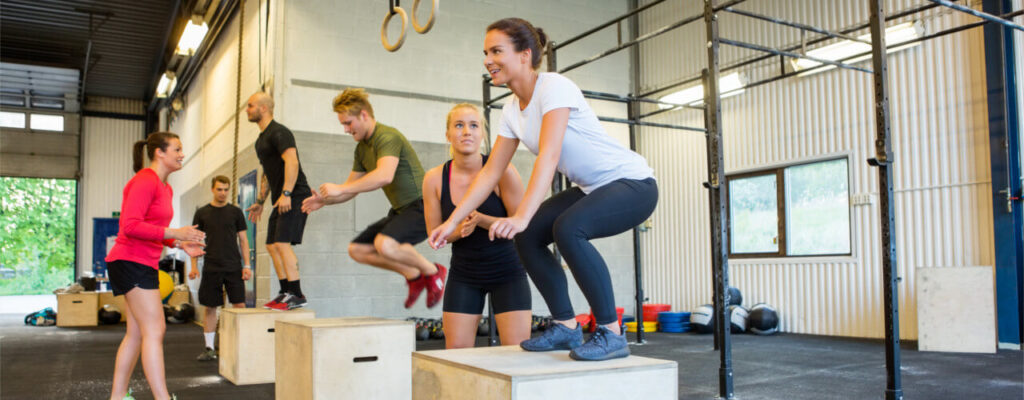
Sports Rehabilitation is the process of deciding when an injured player may safely return to practice or competition. Injuries can occur in any sporting activity, and sports injury rehabilitation is a very important part of the athletes sport life. All athletes over time, professional or not, are prone to injuries due to the excessive wear and tear associated with the demands of competitive sport. The right exercise program to maintain strength, flexibility and stability can help athletes recover quickly after an injury, empowering them to resume athletic activities.
Read full blogWe Got Your Back: Prevention tips for low back pain
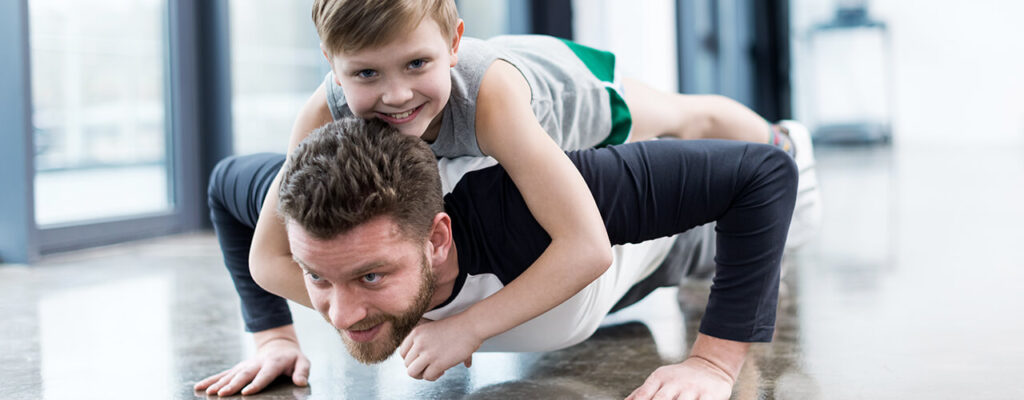
Whether your job is physically demanding or you simply need to shovel your car out from the recent blizzard, we all can benefit from remembering a few simple cues to prevent the onset of low back pain.
- Regular Exercise
Physical Therapists are movement experts who will evaluate you to ensure you receive a safe and effective exercise prescription that will address your overall mobility and stability through activities related to your goals, hobbies, and previous recreational activities.
Read full blogAmerica’s Drug Problem: Pain Medication

In 2012, 259 million opioid pain medication prescriptions were written, enough for every adult in America to have a bottle of pills. 1
It’s gotten to the point where even during the Super Bowl— the pinnacle of television watching—there was a commercial for opioid induced constipation. As a nation we’ve taken so much opioids that we’ve created an entirely new problem, and most people think the solution is to take more medication.
Read full blogForget the Gadgets, Just get Moving! A recent review to prevent low back pain

Keep It Simple:
A recent article featured in the New York Times examined a review of all available literature to determine the best way to prevent low back pain and the results were surprisingly simpler than you may imagine. Forget all of the fancy gadgets, throw away your low back braces and orthotics, the best thing to prevent low back pain is EXERCISE.
Exercise & Education:
The researchers examined over 6,000 articles concerning various treatments for low back pain and found “the protective effect from exercise was quite large” and that when patients received exercises combined with education “the risk of an episode of low back pain in the next year was reduced by 45%.
Read full blogManual Therapy, Hands on for Healing
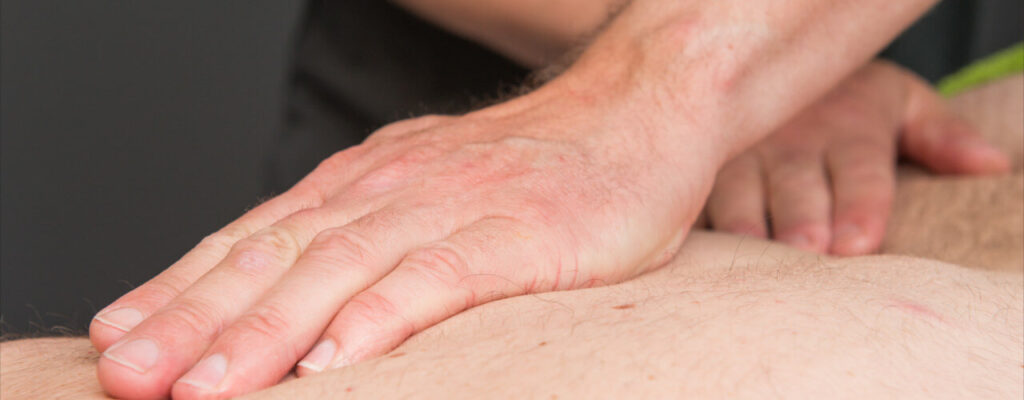
Many patients who have never experienced physical therapy before think physical therapy is just exercise programs and hot and cold pack regimes. Although both of these can be utilized in a physical therapy treatment program, manual therapy is proven to reduce recovery times* and increase a patient’s range of motion and strength.
What is Manual Therapy?
Manual therapy is the use of a physical therapist’s hands to relieve pain and restore mobility.
Read full blogPhysical Therapist Spotlight

Today’s blog we would like to highlight and congratulate one of our exceptional Physical Therapists Cole Racich. Cole has a doctorate in Physical Therapy from Temple University and has recently continued his education in the area of orthopedic specialization. He has worked hard for the past year to prepare for and pass the exam that makes him a Orthopedic Clinical Specialist (OCS).
Orthopedic Clinical Specialists are recognized by the American Board of Physical Therapy Specialties as individuals whose clinical specialization in orthopedic physical therapy demonstrates knowledge, skill and experience exceeding that of an entry level physical therapist.
Read full blogIs Coffee Healthy?

Before you sit down for your daily cup of coffee, take a look at this article recently posted onYahoo!Health concerning the immediate effects that coffee has on your body.
Have an upcoming eye doctor’s appointment or exam for school? Then drink away! Mental and visual acuity are both sharpened within 30 minutes of drinking coffee, helping you actually see better and concentrate easier.
Suffering from high blood pressure or elevated heart rate?
Read full blogBACK to School
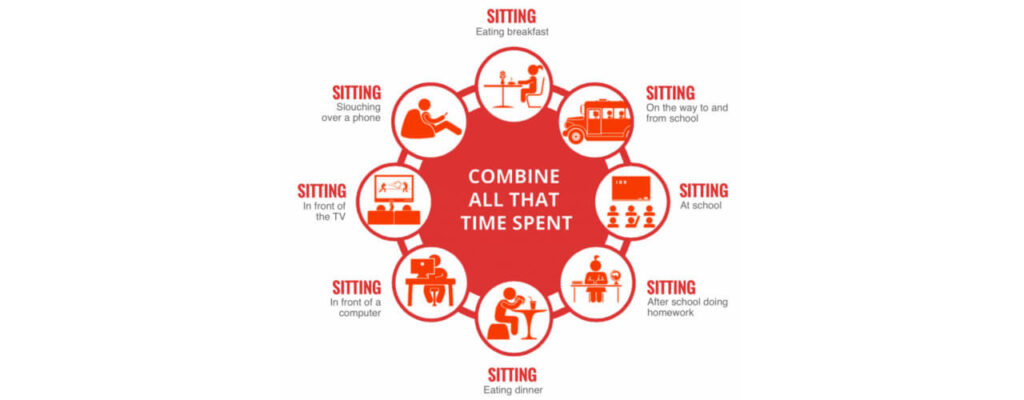
As our children go back to school this Fall, I wanted to highlight a recent initiative beginning across America called “Stand Up Kids”, aimed at helping keep kids healthier and more engaged at school. In one of the most effective preventative efforts in recent years, the mission of Stand Up Kids is to outfit every public school in America with a stand-up desk to keep our children active, engaged, and healthier into adulthood within the next 10 years.
Read full blogOctober is National Physical Therapy Month
For the month of October, to celebrate National Physical Therapy Month we will highlight the aspects of Physical Therapist that may not be well known. The slogan for the month is “Age Well”.
The Study:
Our first study comes from the academic journal Spine and examined the effectiveness of a PT consult prior to low back surgery. A group of individuals who were all undergoing surgery to the lumbar spine were split into two groups: one group underwent the standard pre-op care, while the second group met with a Physical Therapist who discussed the neuroscience behind pain.
Neck Surgery Vs. Physical Therapy

A study recently published in the journal Spine (2013) compared the effectiveness and outcomes of neck surgery and physical therapy (PT). The results may help guide you in determining the appropriate course of care for you.
The Study:
Comparison of two treatments for “cervical radiculopathy” (neck pain with shooting pains into one or both arms)—
Group 1: 31underwent anterior disc fusion for neck pain and PT
Group 2: 32 subjects received PT only
The Results:
At 24 months follow-up both groups had significant improvements in neck and arm pain and function.
Read full blog