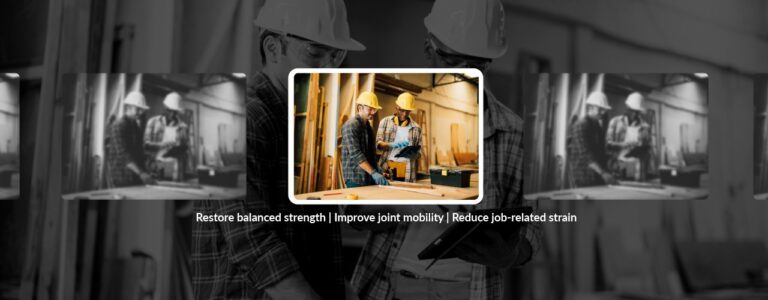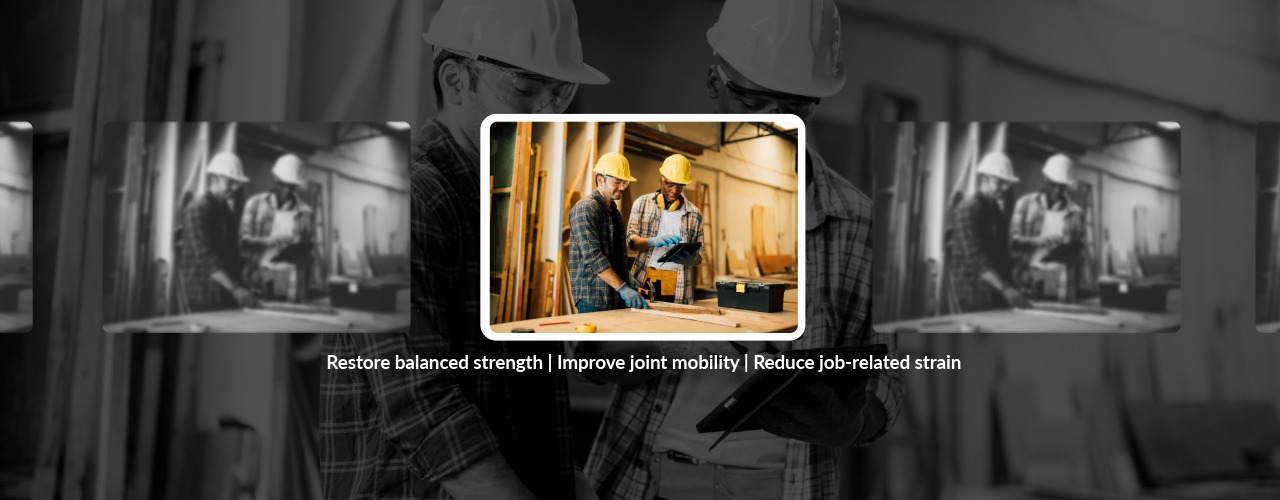
Construction workers push their bodies every day. Lifting, climbing, kneeling, and working in awkward positions place constant stress on the muscles and joints. Many workers try to manage discomfort on their own, but these strategies often provide only short-term relief. Understanding why physical therapy for construction workers leads to better outcomes helps adults see how guided treatment supports stronger, safer movement over time.
How Self-Management Helps and Where It Falls Short
Self-management strategies, such as rest, over-the-counter medication, stretching, or heat, can provide short-term relief. These tools help calm discomfort after long shifts, but they do not identify the real source of the pain. Without understanding what causes the irritation, the problem often returns. Construction workers who rely only on home care may notice stiffness, limited motion, or weakness that interferes with their work duties.
Self-Management Focuses on Symptoms, Not the Root of the Problem
Rest and medication help reduce discomfort, but they do not fix limited motion or weak areas. Construction tasks require strong hips, shoulders, and core control. When any of these areas lack support, other parts of the body compensate. These compensations create harmful movement patterns that increase the risk of reinjury. Physical therapy helps identify these patterns and correct them before they become long-term issues.
Self-Management Cannot Correct Joint Stiffness from Repetitive Work
Repeated bending, twisting, or kneeling often causes stiffness in the spine, hips, or shoulders. Home stretching may ease some discomfort, but many workers still feel limited when performing job tasks. Physical therapy uses guided joint motion and soft tissue techniques to restore comfortable movement. Better joint mobility helps workers move efficiently and reduces the strain that leads to recurring pain.
Self-Management Often Misses Imbalances That Lead to Injury
When only one side of the body performs most of the heavy lifting, imbalances begin to form. Over time, these imbalances contribute to pain. A worker may feel discomfort in one shoulder or weakness in one hip without realizing the cause. Physical therapy identifies these imbalances and provides exercises that restore symmetry. This helps workers feel steadier and prevents strain during demanding tasks.
Why Physical Therapy for Construction Workers Offers More Than Basic Relief
Physical therapy addresses the deeper causes of job-related pain. Therapists evaluate how the body moves, which areas are overloaded, and how the worker performs daily tasks. This approach leads to targeted strategies that improve strength, mobility, and stability. When workers understand how their movement patterns contribute to discomfort, they gain long-term tools that prevent the pain from returning.
How Physical Therapy Builds Strength for Demanding Work Tasks
Construction work requires steady strength throughout the body. Physical therapists design exercises that match the specific demands of the job. These exercises may focus on lifting technique, ladder climbing, carrying weight, or working in low positions. By strengthening these muscle groups safely, physical therapy for construction workers helps reduce the stress placed on irritated tissues. This long-term support is something self-management cannot provide.
Why Manual Therapy Helps When Muscles Stay Tight for Too Long
Construction workers often develop tightness in the back, neck, shoulders, and legs from long hours of physical labor. Manual therapy helps ease this tension through gentle, controlled pressure. When the muscles relax, the body moves more comfortably during exercises that strengthen and improve mobility. This combination helps reduce job-related soreness and improves endurance throughout the workday.
Physical Therapy Teaches Safer Movement Patterns
Construction workers perform repetitive motions that can irritate the muscles and joints. Physical therapists teach improved techniques for lifting, bending, reaching, and carrying. These techniques reduce stress on vulnerable areas and help workers perform tasks with less discomfort. Better movement patterns lead to fewer injuries and increased comfort during daily activities.
Self-Management Lacks Progression, but Physical Therapy Builds It In
Recovery requires gradual progression. Self-care does not provide a structured plan that increases strength, mobility, or endurance over time. Physical therapy for construction workers involves setting updated goals at each stage of recovery. As pain decreases and strength improves, the therapist adds more advanced exercises that prepare the worker for real job demands. This progressive plan helps adults return to work with confidence.
Return to Work Stronger with Support from Advance Physical & Aquatic Therapy
At Advance Physical & Aquatic Therapy, physical therapists create personalized plans that support the demands of construction work. Our team uses physical therapy for construction workers to improve mobility, build strength, and correct movement patterns that contribute to pain. If job-related discomfort affects your workday, contact Advance Physical & Aquatic Therapy today to begin a safe and supportive recovery plan.