Health Blog
Physical Therapist Spotlight

Today’s blog we would like to highlight and congratulate one of our exceptional Physical Therapists Cole Racich. Cole has a doctorate in Physical Therapy from Temple University and has recently continued his education in the area of orthopedic specialization. He has worked hard for the past year to prepare for and pass the exam that makes him a Orthopedic Clinical Specialist (OCS).
Orthopedic Clinical Specialists are recognized by the American Board of Physical Therapy Specialties as individuals whose clinical specialization in orthopedic physical therapy demonstrates knowledge, skill and experience exceeding that of an entry level physical therapist.
Read full blogIs Coffee Healthy?

Before you sit down for your daily cup of coffee, take a look at this article recently posted onYahoo!Health concerning the immediate effects that coffee has on your body.
Have an upcoming eye doctor’s appointment or exam for school? Then drink away! Mental and visual acuity are both sharpened within 30 minutes of drinking coffee, helping you actually see better and concentrate easier.
Suffering from high blood pressure or elevated heart rate?
Read full blogBACK to School
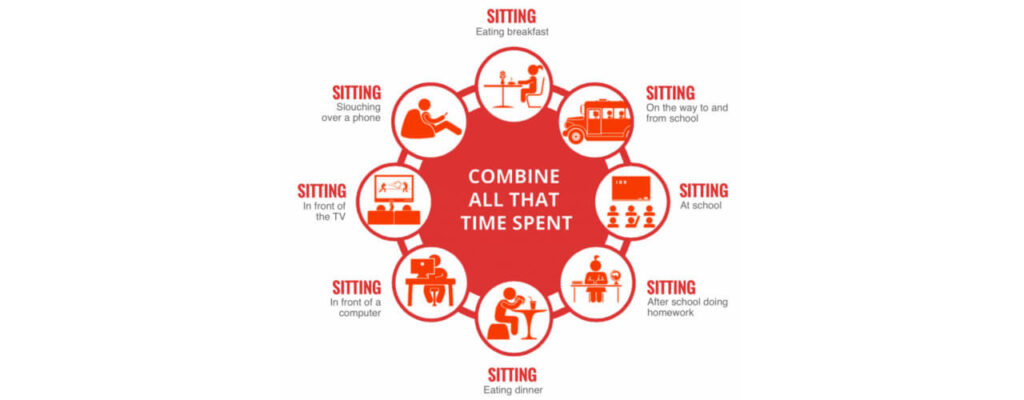
As our children go back to school this Fall, I wanted to highlight a recent initiative beginning across America called “Stand Up Kids”, aimed at helping keep kids healthier and more engaged at school. In one of the most effective preventative efforts in recent years, the mission of Stand Up Kids is to outfit every public school in America with a stand-up desk to keep our children active, engaged, and healthier into adulthood within the next 10 years.
Read full blogOctober is National Physical Therapy Month
For the month of October, to celebrate National Physical Therapy Month we will highlight the aspects of Physical Therapist that may not be well known. The slogan for the month is “Age Well”.
The Study:
Our first study comes from the academic journal Spine and examined the effectiveness of a PT consult prior to low back surgery. A group of individuals who were all undergoing surgery to the lumbar spine were split into two groups: one group underwent the standard pre-op care, while the second group met with a Physical Therapist who discussed the neuroscience behind pain.
Neck Surgery Vs. Physical Therapy

A study recently published in the journal Spine (2013) compared the effectiveness and outcomes of neck surgery and physical therapy (PT). The results may help guide you in determining the appropriate course of care for you.
The Study:
Comparison of two treatments for “cervical radiculopathy” (neck pain with shooting pains into one or both arms)—
Group 1: 31underwent anterior disc fusion for neck pain and PT
Group 2: 32 subjects received PT only
The Results:
At 24 months follow-up both groups had significant improvements in neck and arm pain and function.
Read full blogLateral Ankle Sprains

Ankle sprains are one of the most commonly treated orthopedic injuries seen in Physical Therapy. Unfortunately, due to the high frequency of ankle sprains, people usually ignore the symptoms and go untreated, often progressing to chronic ankle instabilities. At our clinic in Springfield, PA, our goal is to not only treat ankle sprains quickly, but also to educate our patients on prevention strategies to avoid long-term issues. Here are some helpful tips on preventing and treating lateral ankle sprains.
Read full blogPHYSICAL THERAPY & BACK PAIN: PART II

In an earlier blog post we discussed the onset of Degenerative Disc Disease (DDD) and how it limits our daily function. Today we will feature common interventions used in physical therapy to address these limitations.
How can Physical Therapy treat DDD?
The following is taken from the American Physical Therapy Association (APTA) to shine light on commonly used Physical Therapy programs:1
- Stretching and flexibility exercises to improve mobility in the joints and muscles of your spine and your extremities—improving motion in a joint is often the key to pain relief
- Strengthening exercises—strong trunk muscles provide support for your spinal joints, and strong arm and leg muscles help take some of the workload off your spinal joints
- Aerobic exercise, which has been shown to be helpful in relieving pain, promoting a healthy body weight, and improving overall strength and mobility—all important factors in managing DDD
- Manual Therapy techniques provided directly by physical therapist’s hands to improve joint mobility and decrease pain
- Aquatic activities to decrease compressive forces and maintain cardiovascular endurance and strength.
PHYSICAL THERAPY & BACK PAIN: PART ONE

Over 75% of Americans experience some form of low back pain in their lifetime, with many become overwhelmed with various medical terms and treatment options. Here is some information to assist with understanding how medical professionals and patients handle back pain.
What is Degenerative Disc Disease (DDD)?
DDD is a type of osteoarthritis and a typical part of the natural aging process which can be a primary source of back pain in a lot of our patients.
Read full blogStretching 101: Frequently Asked Questions about Stretching for Physical Therapy

Hip flexor stretch
Everyone that’s ever been to PT is familiar with some form of stretching. Today’s blog is here to dispel some myths associated with stretching and address a lot of the questions we receive in our Physical Therapy clinic concerning the need to stretch. Enjoy!
- What is stretching and why do I need it? In a nutshell, stretching is the act of lengthening a muscle (to be technical, it’s the “muscle tendon unit” that lengthens). It is a way of improving flexibility.
New Year’s Resolutions: Safe Running Progression

Whether 2015 is the year you train for your first 5k Charity Fun Run, a military-inspired Mud Run, the Broad Street Run, or your fourth marathon, establishing a safe and effective running program is crucial to avoiding common over-use injuries associated with running. Here we will briefly discuss a few cornerstones of proper running programming.
The “10% Rule”
Keeping in mind that safety and injury prevention is our main concern, the “10% rule” is the best place to start when designing a running program.
Read full blog