Health Blog
Shoulder Injury

The shoulder is a very flexible joint in the body. It is made up of a ball and socket joint that allows the arm to move in a wide range of movement. Shoulder instability can often lead to injury. Any shoulder injury can affect your range of motion and physical therapy can help you with this condition.
The rotator cuff is the group of muscles that works to stabilize the shoulder. The four muscles affected by the rotator cuff shoulder injury are supraspinatus, subscapularis, teres minor and infraspinatus. The first two are called internal rotators and the last two are the external rotators. Internal rotators are used to pull the arm towards the body and to rotate the arm with palms face in. The external rotators are used to do the opposite action.
Read full blogBack pain – How it can be avoided.
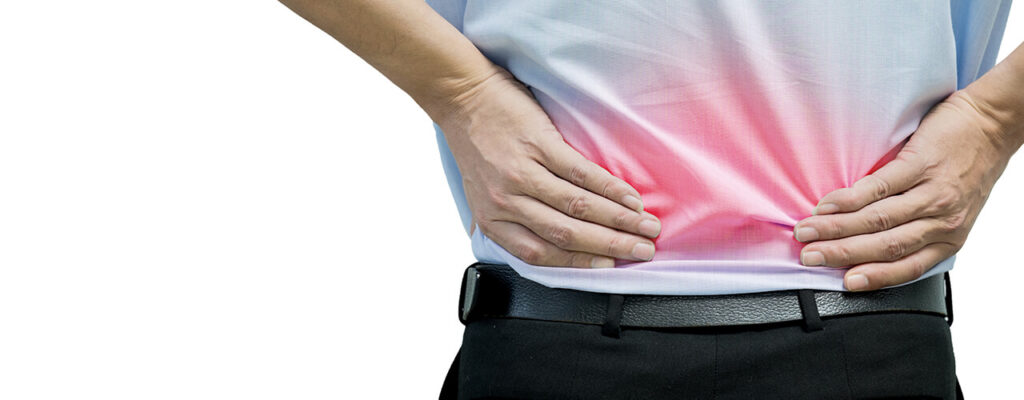
Statistics show that back pain is one of the most prevalent reasons why people visit their doctors. For people aged 40 and below, back pain is a very common illness that results in the patient’s inability to work and perform daily tasks. If that is translated into medical costs, that is about $20 to $30 billion annually in health care expenses.
Back pain is said to be acute if there is only a brief moment of pain. This usually comes on suddenly and can be treated with pain relievers. Usually the patient can get back to normal daily activities since the pain can be easily treated with pain relievers.
Read full blogNeck pain – Treatment of Neck Pain
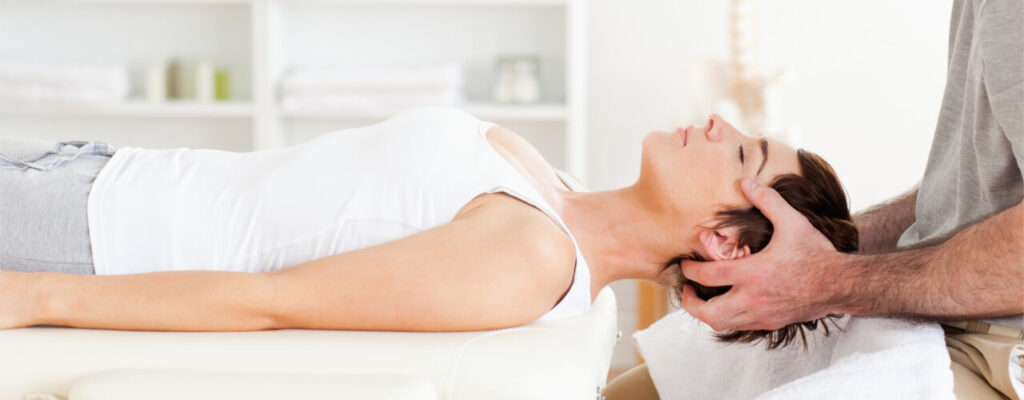
Being a common issue, neck pain can be caused by multiple conditions. Treatment is based on the cause and the severity of the condition. For simple neck pain problems, self-care treatment can be done at home.
Simple or acute neck pain can occur often but it is not a symptom of or caused by a serious illness. It is commonly caused by an uncomfortable sleeping position or bad posture. A simple remedy for this type of neck pain is to move the neck muscles and keep them active. Painkillers can also help with the pain. Prevention can be done by sitting or standing upright. A firm pillow to support the neck and the head can also help. Using more than one pillow might put the neck at an angle so it is best to use just one.
Read full blogHome Exercise Program

Home exercise program (HEP) are good and popular ways to involve patients in their physical therapy programs. When a patient starts or ends their treatment plan, the therapist will slowly introduce patient education. In reinforcing education, tools like a home exercise program may be used. These exercises are meant to continue the treatment at home once a patient completes the treatment plan with certified physical therapists.
Home exercise program are created differently for different types of patients. It can feature a set of exercises and relevant tips for patients suffering from back pain or neck pain or it can focus on patients recovering from stroke.
Read full blogCardiovascular Training (for physical therapy)
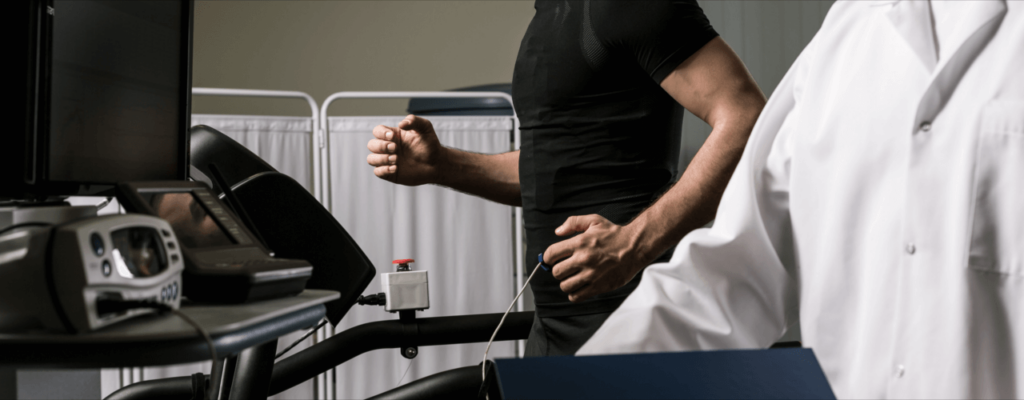
Cardiovascular training is composed of exercises designed to promote the improved performance and capacity of a patient’s cardiovascular system. It involves the body’s use of oxygen. When a patient performs an aerobic exercise, the body’s muscles get energy through pathways that use oxygen.
Doing the cardiovascular training allows the patient to breathe faster and moves more air as he or she breathes. It helps to improve health of both the lung and the heart.
Read full blogJoint Replacement: Before and After
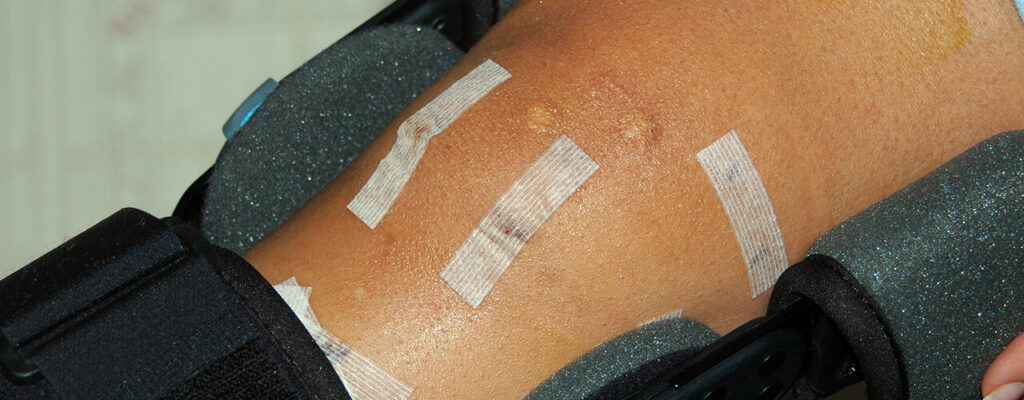
Arthritis and regular wear and tear may cause damage to our joints. This causes pain, swelling and stiffness. Just like any other bone, joints are alive and need blood to grow and repair themselves. If the joints are diseased or damaged, the blood flow is inhibited causing problems. At times, the damage to the joint might require a joint replacement surgery.
Joint replacement surgery involves taking out the damaged joint and replacing it with a new one.
Read full blogArthritis and Diet
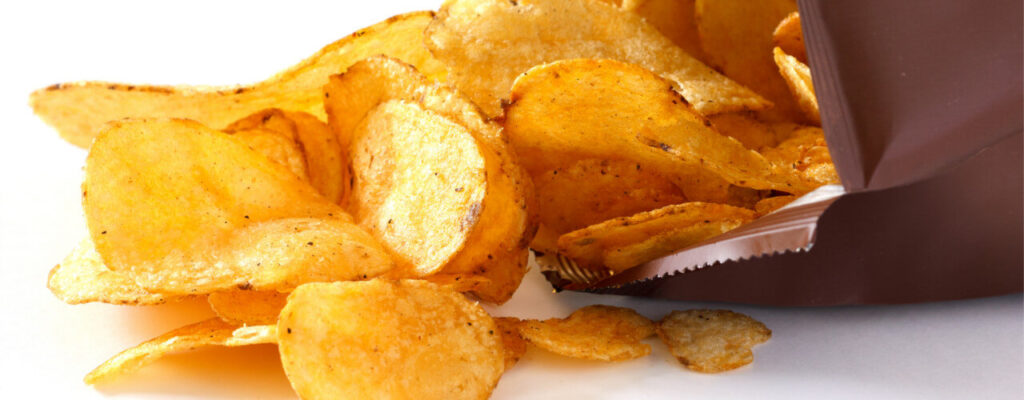
It is important to eat a healthy diet. The food that we eat can affect our overall health. Evidence shows that there is a connection between food and different forms of arthritis.
People suffering from arthritis should avoid food high in proteins and purines. This means avoiding coffee, chocolate, fried foods, red meats, additives and preservatives. Many cases have been documented where a change in diet has improved the condition of those suffering from arthritis.
Read full blogPhysical Therapy can Relieve Neck Pain

A medical doctor will usually refer a patient for physical therapy for neck pain. Although it is a very common condition, neck pain is associated with stiffness and physical therapy can help in restoring movement and relieving pain. Treatment plans will be made depending on varying degrees of the pain and its underlying causes.
Causes
Neck pain is a very common medical condition. It can be caused by basic day to day living and growing older.
Read full blogUsing Physical Therapy for the Relief of Back Pain

A patient who is constantly suffering from lower back pain is normally referred to a physical therapist. A period of treatment is usually undergone before a patient is referred to aggressive surgical procedures.
The basic goal of physical therapy when it comes to dealing with back pain is to relieve it. Other goals can also be added like increasing bodily function and teaching the patient how to prevent it from recurring.
Read full blogJoint Replacement – Recovery after Getting a new Hip
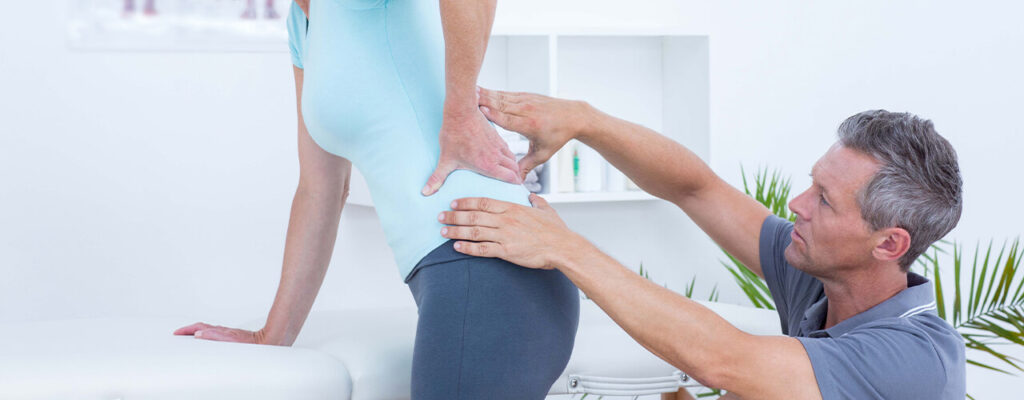
Getting hip joint replacement surgery is the first step to eliminating hip pain. The second step is restoring full range of motion of the new hip and building a strong support system by strengthening the leg muscles. This is where a physical therapist comes in.
Physical therapy is needed to get a hip joint replacement patient up and moving. There is a period of time after the surgery wherein the patient needs to work on restoring range of motion for the hips. Therapy can also decrease the risk of dislocating the new hip joint. Exercises to strengthen the hips and the legs are needed. Exercise helps in improving blood circulation and in preventing pressure sores.
Read full blog