Health Blog
Why Technology is becoming a Pain in your Neck.
I Have NECK Pain and I don’t know why?
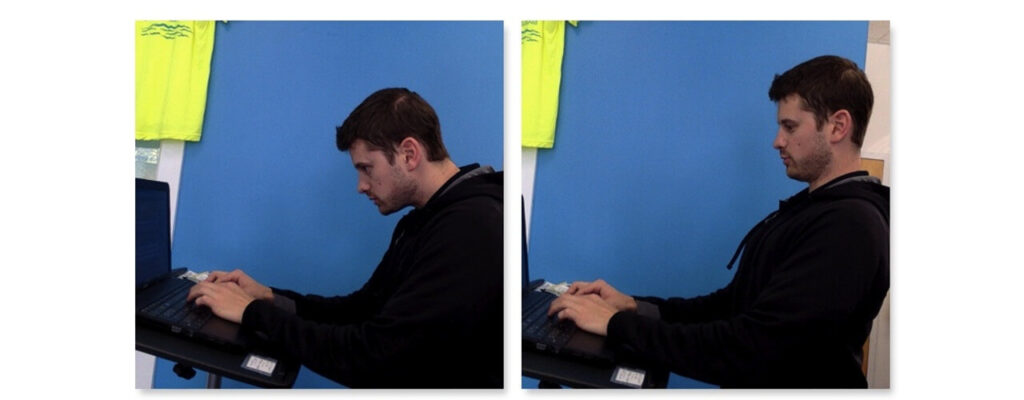
Stop. Before you read any further, I want you to take an honest assessment of your posture. If you are anything like 90% of the subjects in a recent study1 you are reading this with a forward flexed posture: shoulders rounded, neck protruding forward, and back slouched. Congratulations, you have awful posture. Now let’s fix it!
First, why is this a problem?
Read full blogThe Healing Powers of Sleep

As Physical Therapists, we focus a lot on what patients do during their waking hours (hydration, physical activity, proper body mechanics, etc). However, it is just as important to look at what we do at night in order to speed up the healing and recovery process. Sleep is a key ingredient in speeding the recovery process after injury as well as maintaining a healthy lifestyle. Here are some tips to help improve the quality (and quantity) of your sleeping patterns:
Consistency :
Set a goal to go to bed and wake around the same times each day.
Read full blog7 Myths About Physical Therapy

People everywhere are experiencing the transformative effect physical therapy can have on their daily lives. In fact, as experts in the way the body moves, physical therapists help people of all ages and abilities reduce pain, improve or restore mobility, and stay active and fit throughout life. But there are some common misconceptions that often discourage people from visiting a physical therapist.
It’s time to debunk 7 common myths about physical therapy:
1.
Read full blogDo you have Achilles Pain? Eccentric Strengthening can help

The soleus, gastrocnemius, and plantaris muscles form a common tendon, the Achilles tendon, which attaches medially to the posterior surface of the calcaneus.
Achilles Tendinitis and Tendinosis
Achilles tendinitis develops due to inflammation, strain, or repetitive trauma to the Achilles tendon. This occurs usually due to a repetitive activity. Symptoms are also associated with recreational activities like running, tennis and basketball.
If this is left untreated, it can develop into Achilles tendinosis, due to a degenerative change in the tendon from repetitive microtrauma.
Read full blogWhy you should get a Functional Movement Screen
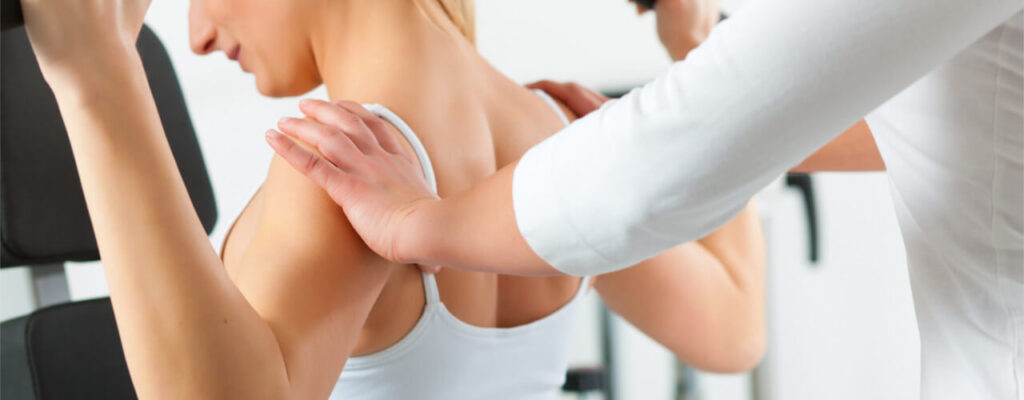
If you are looking to embark on a new fitness goal or begin a sport as the weather is warming up seeking out a Physical Therapist to put you through a Functional Movement Screen™.
The Functional Movement Screen™ or FMS™ for short was developed by Gray Cook, Lee Burton, and colleagues as they combined innovation with science and evidenced-based research to create a standardized ranking and grading system that effectively and efficiently documents movement patterns critical to normal function.
Read full blogNeck Pain + Radicular Pain

Neck pain is one of the leading causes of disability. In fact, it’s estimated that 10% of the population will be affected by neck pain each year. In some instances neck pain can also be accompanied with pain in the shoulder or even down to a person’s hand. In these cases not only is the pain experienced disabling it can also be frightening to a person that they may have developed a serious medical condition. Fortunately, this is the not the case for the vast majority of individuals. Usually the culprit behind neck pain that radiates down the arm is from a cervical radiculopathy.
Read full blogKnee Pain: Surgery or Physical Therapy
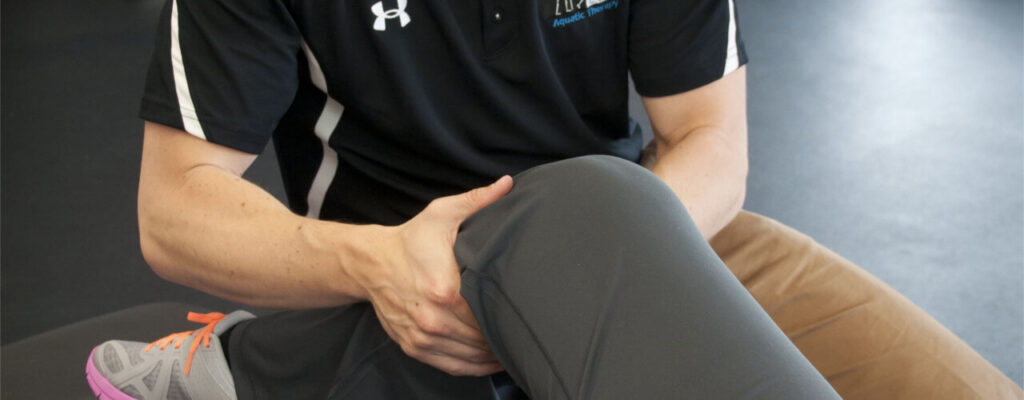
Knee pain manual therapy performed by a Physical Therapist.
Patients who have chronic knee pain come into our clinic and think ultimately surgery is the only option. However, this isn’t always the case. Many orthopaedic problems can be solved through physical therapy. Recent studies on chronic knee pain such as this study from the journal of Age and Ageing confirms that older men should take preventative steps to address knee pain to avoid further injury in the future.
Read full blogPain Free Golf

Pain Free Golfing
Here are some simple changes and adjustments that you can make to help prevent golf injuries:
1) Proper Club Fitting
Proper fit clubs can decrease stress to your body during the golf swing, help avoid poor swing biomechanics and avoid altered postures.
2) Play Golf Consistently
I don’t think most golfers will have a problem with this one. Playing golf consistently will avoid long times of breaks and golf related activities
3) Push your Golf Cart
Pushing your cart instead of pulling will cause less stress and torque to your body and help prevent injury
4) Use a Longer Putter
This may decrease stress and strain while putting and avoid increased flexion when playing around of golf
5) Use a Dual Backpack Strap
Carrying a golf bag with a single strap may be hazardous to the low back, shoulder, and ankles.
Read full blogHow to Run Pain Free

Many runners ask how they should be running. Running training should be focused on 1 of 2 things: 1) injury prevention or 2) performance. So the main purpose of this post is to focus on injury prevention and treatment. I promote runners to avoid a heel strike and to try more of a mid foot strike when running with pain or recovering from an injury. Landing with a midfoot strike has been associated with decreases in peak impact loads and a decrease in knee pain (patellar-femoral symptoms).
Read full blogHeels in Shoes = Unhealthy Joints = Foot Pain

Wearing any kind of shoe with a heel is detrimental to our joint and muscle health. Even the heel in an athletic shoe can wreek havoc on the mechanics of our walking or running and it does this to a tune of millions of repititions throughout each step we take in our lives. I believe this has become a marketing technique to create the “most comfortable” cushioned shoe for consumers. For example if you put a shoe on that has a higher heel like a running shoe then you foot feels great, because it dosen’t have to work!
Read full blog