Health Blog
Physical Therapy and Foot Pain Treatment

Physical therapy and foot pain treatment often go hand in hand when it comes to ensuring a quick and almost painless recovery for the patient. Foot pain is mostly caused by ill-fitting shoes, overuse or injury. Medical conditions and structural defects like diabetes and arthritis can also cause foot problems.
Here are some common causes of foot pain and how physical therapy can help:
Achilles tendinitis happens when the Achilles tendon of the lower leg is injured. This can be caused by intensive exercise and other activities that tend to overuse the calf muscles and the tendon. Physical therapy and foot pain treatment comes in by doing the following steps: resting, applying ice to, compressing and elevating the affected area.
Read full blogRehabilitation after a shoulder injury
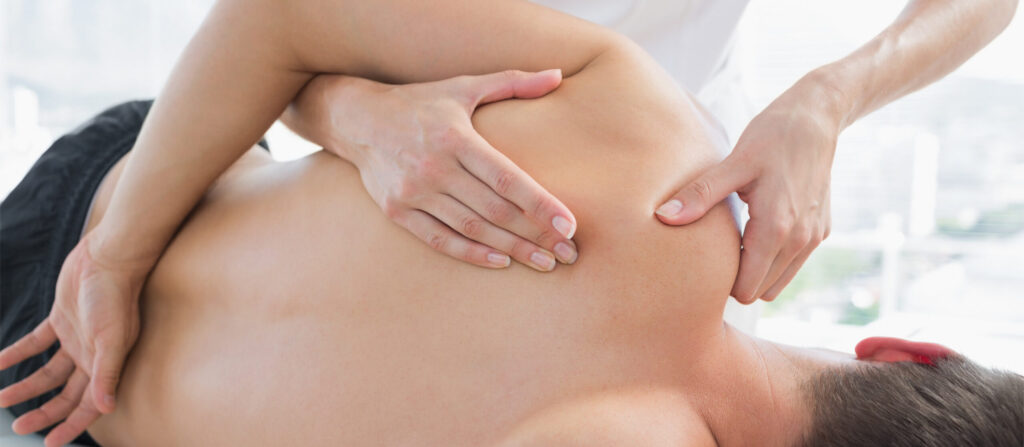
Rehabilitation after a shoulder injury is a treatment plan that aims to restore full functionality to the shoulder through exercises after a shoulder injury or surgery. It also includes learning the body mechanics and the proper posture to prevent recurrence. There are four goals when it comes to rehabilitation and these are to reduce pain, to improve movement, to improve function and to regain strength.
After a shoulder injury or surgery, it is expected to feel weakness of shoulder joints, limited range of motion, and muscular incoordination.
Read full blogPhysical Therapy for Neck Pain – Causes and Cure

The neck is one of the most common sites of pain. Sources of neck pain can be disorders of the tissues in the neck such as a pinched nerve, neck strain or degenerative disc disease. Common and rare infections that cause the swelling of the lymph glands can also result to neck pain. Contact sports and vehicular accidents can also cause injuries that lead to neck pain.
Physical therapy for neck pain
Neck pain could present itself in a number of different ways: stiffness, burning and tingling.
Read full blogPhysical therapy for neck pain

Physical therapy for neck pain is often the best treatment in the relief of neck pain and in teaching you how to prevent recurrence of the injury or condition.
Neck pain is normally felt from anywhere in your neck, starting from the lower part of the head down to the top part of the shoulders. It might spread to the upper back or the arms and it might limit movement of the head and/or neck.
Read full blogPhysical therapy for back pain

Back pain is one of the most common ailments which many people experience from time to time. It can range from mild to debilitating pain and physical therapy for back pain can vary depending on its cause and severity. Poor posture, which does not allow for the neutral alignment of the spine, increases the risks of back, and shoulder pain.A very sedentary lifestyle can also cause decrease of muscle flexibility and strength. When this happens, the back is more prone to injury and recurring back problems.
Read full blogRehabilitation after a shoulder injury

The range of motion of the shoulder makes the shoulder the most flexible joint of your body. Every movement of your arms means a corresponding movement of the shoulder as well. The joint stability of your shoulder can be compromised by the increased motion of the shoulder joints. This means that anyone can have shoulder problems — young and old alike.
Rehabilitation after a shoulder injury can take several weeks, even months.
Read full blogPhysical Therapy and Foot Pain

The foot, especially the ankle, is the most common site of sprains and pain. Foot pain can occur due to trauma, improper foot support, a misstep, even the wearing of improper shoes. Common conditions that result to foot pain are ankle sprain, arthritis, tendonitis, bunions and a whole lot more due to intricate structure of the foot.
Physical Therapy and Foot Pain
Foot pain can be mild to serious. If the pain actually interferes with your normal activities such as walking, then it is time to seek medical care and treatment.
Read full blogThe Benefits of Aquatic Therapy?

Aquatic Therapy takes advantage of the physical properties of water, especially buoyancy. When submerged in water, buoyancy supports a patient’s weight, facilitating exercise without the forces present with routine land-based programs, thus reducing joint stress. This aspect of aquatic therapy is especially useful for patients with arthritis, healing fractured bones, elevated pain, or who are overweight.
Aquatic Therapy can benefit a patient by reducing joint and tissue swelling from the natural pressure of water.
Read full blogAdvance Physical and Aquatic Therapy Prerolls – All

SERVICES OFFERED:
- Joint Mobilization
- Manual Therapy
- Range Of Motion
- Strengthening
- Muscle Re-Education
- Home Exercise Program Education
- Falls Prevention
- Body Mechanics Training
- Ergonomics
- Safe Home Setup
- Ultrasound
- Electrical Stimulation
- Manual and Mechanical Traction
- Cardiovascular Training
- Wellness Education
Why AQUATIC Therapy?

What are the benefits of Aquatic Therapy?
takes advantage of the physical properties of water, especially buoyancy. When submerged in water, buoyancy supports a patient’s weight, facilitating exercise without the forces present with routine land-based programs, thus reducing joint stress. This aspect of aquatic therapy is especially useful for patients with arthritis, healing fractured bones, elevated pain, or who are overweight.• Aquatic Therapy can benefit a patient by reducing joint and tissue swelling from the natural pressure of water.
Read full blog